

 Spotify
 Amazon Music
 Apple Podcasts
 YouTube
When I first started reading about Spain’s new road safety rules, I noticed that most of the headlines focused on helmets, equipment requirements, and fines.
But I don’t think those are the most important parts of the story.
The most important part is why the rules are being introduced in the first place.
They’re about us.
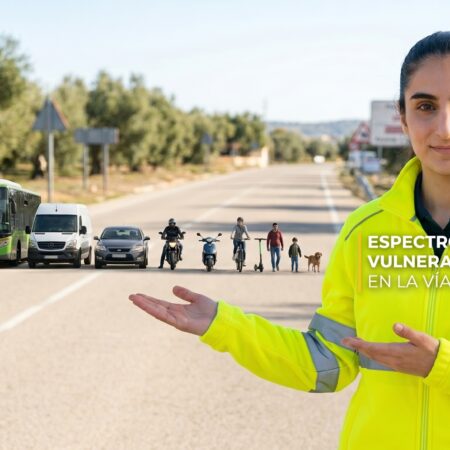
People my age are often some of the most exposed road users. We walk, cycle, use scooters, ride motorcycles, travel with friends, and increasingly become drivers ourselves. We spend a lot of time on roads, but we don’t always have much protection around us.
That’s why the new regulations focus on what the law calls “vulnerable road users“.
Nobody Plans to Have a Collision
One thing I’ve noticed about road safety is that people often talk as if collisions only happen to careless people.
The reality is very different.
Most people involved in collisions never expected it to happen.
They weren’t planning to take a risk.
They didn’t wake up that morning thinking they would make a mistake.
Sometimes someone is distracted.
Sometimes someone is tired.
Sometimes someone misjudges a speed or distance.
Sometimes someone simply doesn’t see what is right in front of them.
Human beings are not perfect, and road safety has to take that into account.
Protection Matters
That is why some of the new rules focus on helmets, visibility and protective equipment.
Not because they make people invincible.
Because they can reduce the consequences when something goes wrong.
A helmet cannot prevent every injury.
Reflective clothing cannot guarantee that every driver will see you.
A traffic law cannot stop every mistake.
But reducing risk is still worthwhile.
The goal is not perfection.
The goal is giving people a better chance of walking away from an incident that might otherwise change their lives forever.
The Helmet Test
Whenever people talk about helmets, I think there is something important that often gets forgotten.
A helmet only works if it stays on your head.
That sounds obvious, but we’ve all seen helmets balanced on top of someone’s hair, hanging loose at the back, or worn with straps that are barely connected.
The straps are not decoration.
They are part of the safety system.
If a helmet moves out of position or comes off during an impact, it cannot provide the protection it was designed to provide.
Wearing a helmet is one thing.
Wearing it properly is something else entirely.
Being Seen Is Not the Same as Being Safe
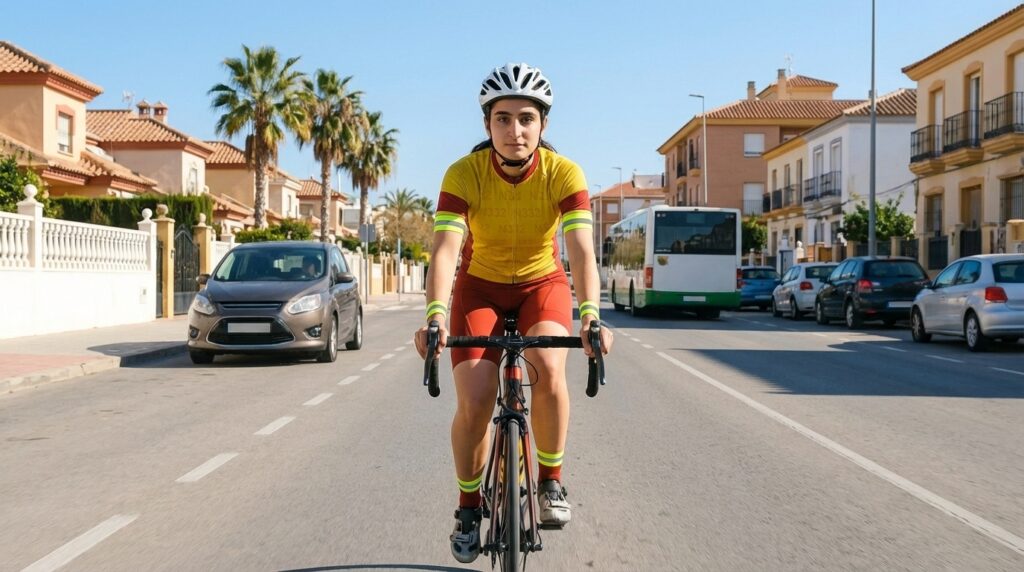
One of the most valuable lessons I have learned is that visibility and safety are not the same thing.
You can wear bright colours.
You can have lights.
You can be exactly where the rules say you should be.
And somebody can still fail to notice you.
That is why I never assume that being visible means being safe.
I still watch for vehicles turning across my path.
I still check for distractions.
I still try to anticipate mistakes.
Because road safety is not about proving that somebody else should have seen me.
It is about recognising that people sometimes don’t.
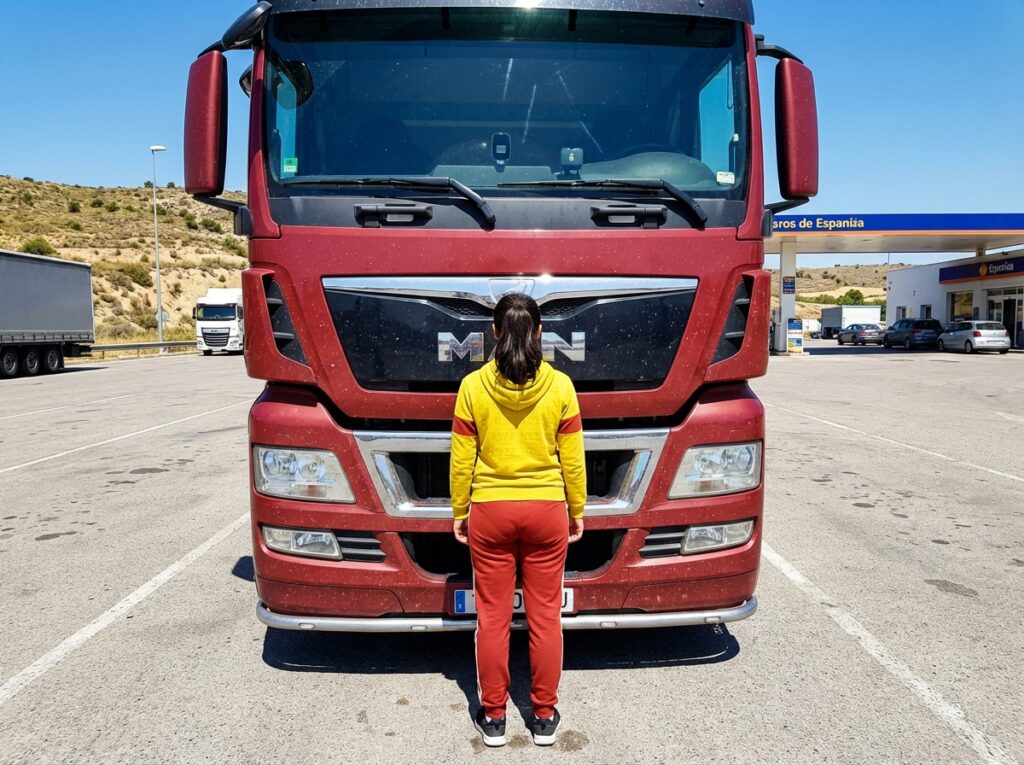
The Shared Responsibility
Some people will see these new regulations as restrictions.
Others will see them as common sense.
Personally, I see them as recognition of a simple fact.
The consequences of a collision are not shared equally.
If two vehicles brush mirrors, the result may be inconvenience and repair bills.
If a cyclist, scooter rider, pedestrian or motorcyclist is involved, the consequences can be life-changing.
That is why vulnerable road users deserve additional protection.
Not because they are more important than anyone else.
Because they are more exposed.
The Rule That Matters Most
The new regulations contain a lot of detail.
There are rules about overtaking, helmets, visibility, equipment and road positioning.
But the most important rule is not written in the legislation.
Pay attention.
Whether we are walking, cycling, riding, driving or crossing a road, awareness remains one of the most powerful safety tools we have.
The law can create safer conditions.
Equipment can reduce injuries.
Infrastructure can reduce risk.
But none of them replace responsibility.
That part still belongs to all of us.
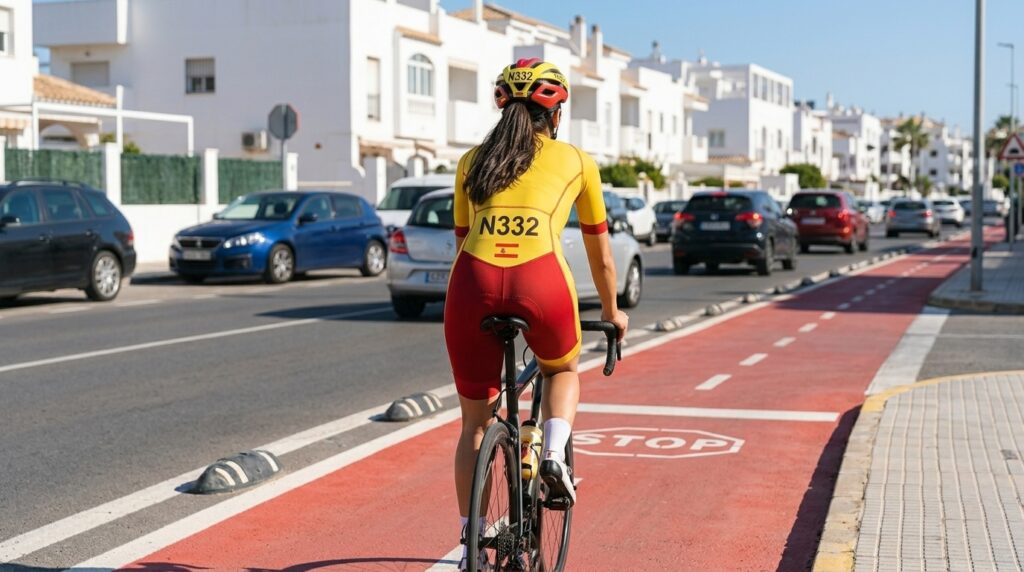
Riley’s Road Reflection
The purpose of road safety is not to win arguments about who had priority. The purpose is to arrive safely. Every decision we make on the road should start there.
Your Free Guide from N332